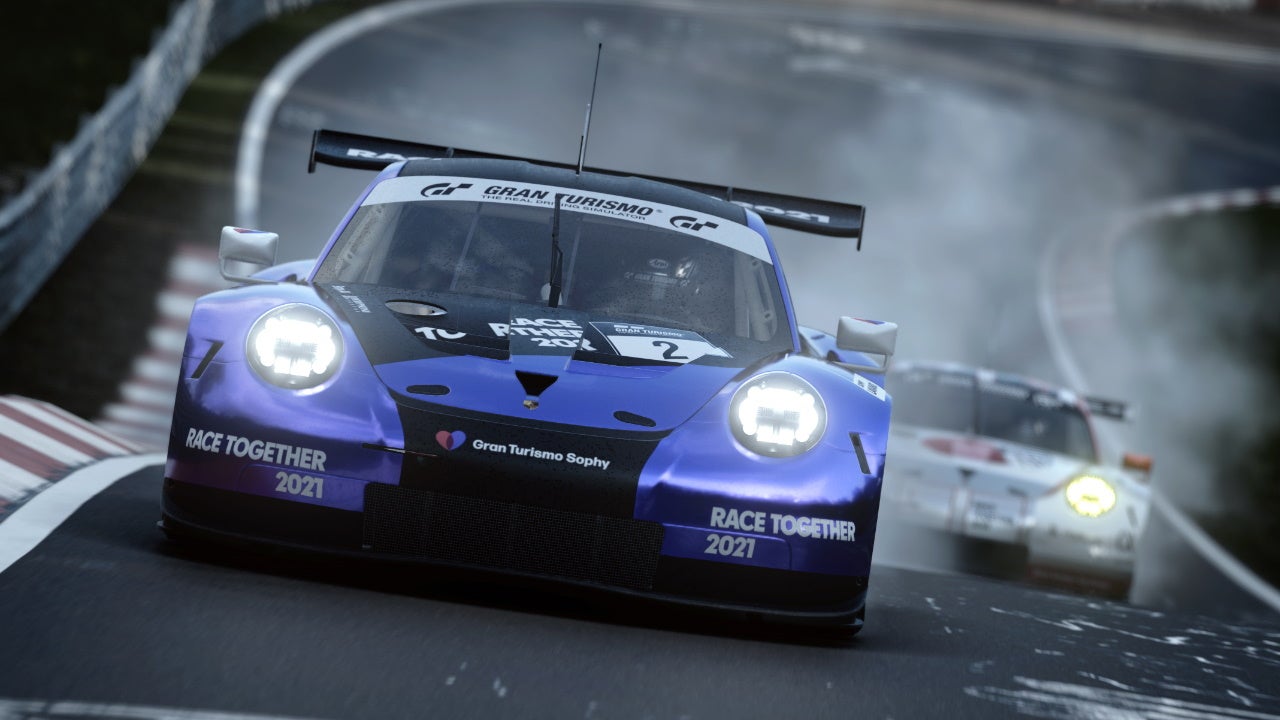
Racing games have long held a unique place in the world of interactive entertainment. They’re fast, competitive, and often visually stunning—but they also serve as a digital gateway to the thrill of motorsport. Whether you’re drifting around a neon-lit corner in an arcade game or managing tire wear in a hyper-realistic simulator, racing games offer something for every kind of player.
A Brief History of Virtual Racing
The roots of racing games stretch back to the early days of video gaming. Titles like Pole Position (1982) and Out Run (1986) brought the excitement of high-speed driving to arcades, sparking a genre that has only accelerated with time.
As technology evolved, so did the genre. The introduction of 3D graphics in the 1990s allowed for more realistic car handling and track design. Franchises like Gran Turismo, Need for Speed, and Forza Motorsport helped define the modern racing game—each with its own blend of realism, style, and accessibility.
Arcade vs. Simulation: Two Worlds of Racing
Racing games generally fall into two main categories: arcade and simulation.
- Arcade racers focus on fun, speed, and over-the-top action. Games like Mario Kart, Burnout, and Need for Speed prioritize accessibility, with simplified controls and exaggerated physics. They’re perfect for casual players or anyone looking for fast-paced excitement without a steep learning curve.
- Sim racers, on the other hand, aim to replicate the real-world physics of driving. Titles like iRacing, Assetto Corsa, and rFactor 2 are used not only by enthusiasts, but also by professional drivers for practice and training. These games require precision, patience, and often a decent hardware setup, including a wheel and pedal system.
The Rise of Online Competition
Online multiplayer has transformed racing games into a global competition. Whether you’re battling friends in a private lobby or climbing leaderboards in international esports events, the online component adds adrenaline and unpredictability.
Games like F1 24, Gran Turismo 7, and Forza Horizon 5 offer regular updates, seasonal events, and ranked modes to keep players engaged. Meanwhile, sim racing platforms like iRacing host professional-level leagues with strict rules and real-world consequences for poor driving behavior.
Accessibility and Hardware
One of the great things about racing games is their scalability. You can enjoy them with just a basic console controller, or go full immersion with a racing rig that includes a force-feedback wheel, pedals, and even a motion seat.
This range makes the genre appealing to a wide audience. Beginners can jump in with minimal equipment, while hardcore players can invest in professional-grade setups for a more authentic feel.
Cultural Impact and Popularity
Racing games have influenced everything from music and fashion to car culture itself. Soundtracks from titles like Need for Speed Underground helped define early 2000s street racing vibes, while games like Gran Turismo introduced generations of players to real-world automotive brands and motorsport history.
They’ve also played a role in education and training. Some young drivers have transitioned from sim racing to real racing, proving that virtual driving can be more than just a game—it can be a stepping stone to a racing career.
Conclusion
Racing games continue to evolve, blending realism with entertainment and offering something for every kind of gamer. Whether you’re chasing lap times in a serious sim or just enjoying a chaotic race with friends, the genre captures the universal appeal of speed and competition. In a world where technology keeps pushing boundaries, racing games remain in the fast lane—leading, innovating, and thrilling players worldwide.