“Capturing the spirit of speed — from real tracks to virtual laps.”

Category: Simracing

  • Gran Turismo 7: Tradition Meets Technology

    Gran Turismo 7: Tradition Meets Technology

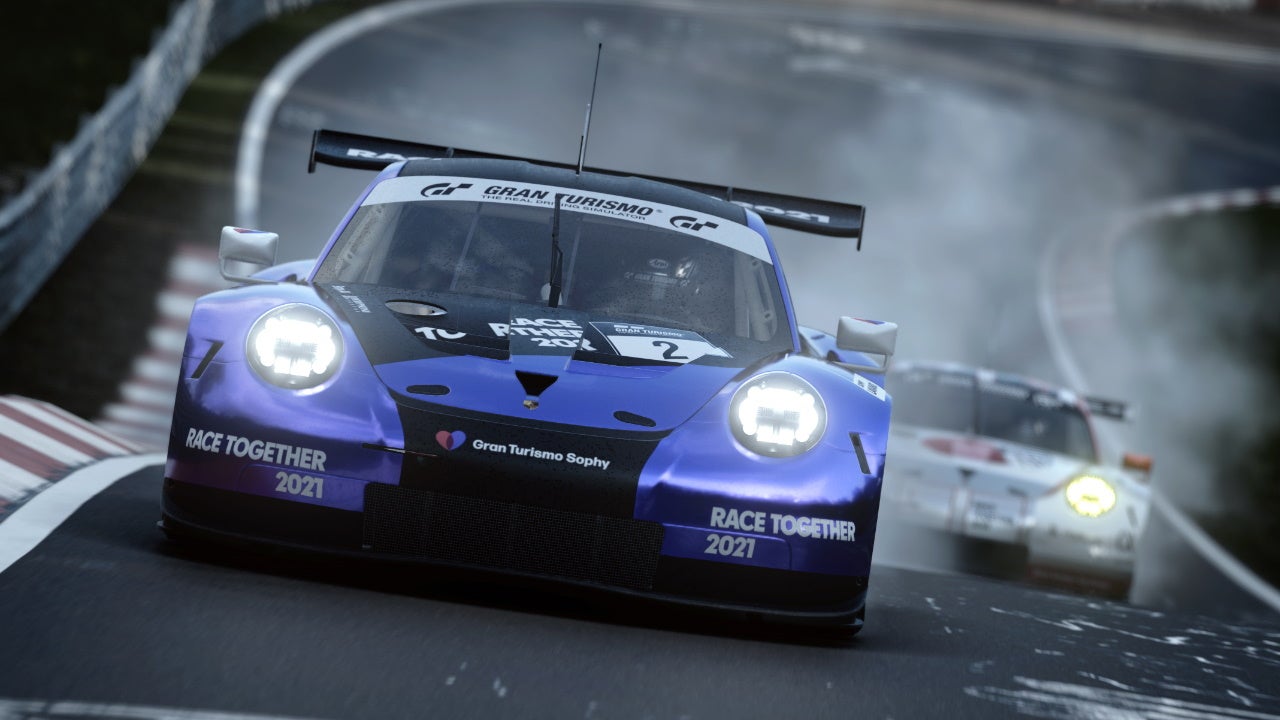
    Gran Turismo 7 marks a significant milestone for the long-running racing franchise. After years of experimentation and refinement, Polyphony Digital has delivered a title that blends nostalgia with modern racing simulation. It’s not just another game in the series — it’s a tribute to automotive history, driving passion, and the pursuit of perfection on four wheels.


    Presentation and Atmosphere

    From the moment you launch Gran Turismo 7, the presentation is unmistakably premium. The menus are clean and elegant, the background music is thoughtfully curated, and the tone is calm yet serious — exactly what fans of the series expect. There’s a quiet confidence in how the game introduces you to its systems: through stories of car designers, manufacturers, and cultural icons.

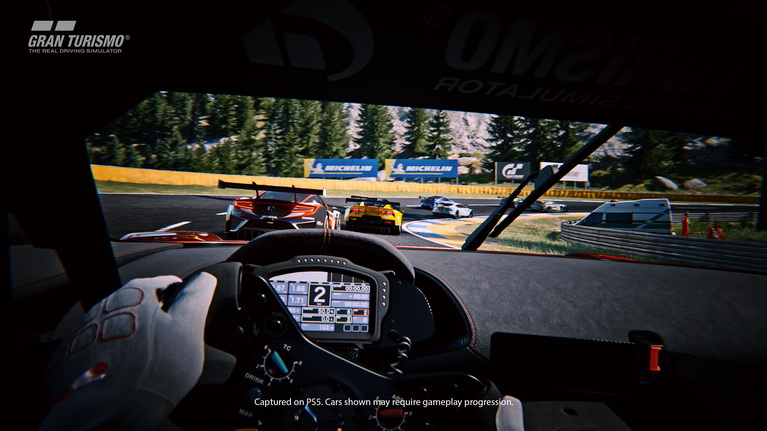
    Visually, the game shines on PlayStation 5. Whether it’s the fine detail of car interiors, the texture of asphalt, or the transitions from sun to rain, every element is crafted with care. Ray tracing in replays enhances the cinematic feel, although it’s disabled during actual races to preserve performance. The weather system and lighting transitions are not just for show — they influence grip, visibility, and strategy.


    Driving and Physics

    The heart of any racing simulator lies in how it feels behind the wheel. Gran Turismo 7 delivers a refined, rewarding driving model. Every car handles differently, from nimble hatchbacks to high-powered supercars. The force feedback, especially with a racing wheel, gives meaningful cues about grip loss, weight transfer, and terrain changes.

    For newcomers, the game is accessible. Driving assists help ease the learning curve. For veterans, turning those off reveals the deeper simulation elements — throttle control, braking zones, tire wear, and subtle handling quirks. Gran Turismo doesn’t try to be brutally realistic like iRacing or Assetto Corsa; instead, it strikes a balance between approachability and depth.


    Content and Progression

    One of the major returns in GT7 is the GT Café — a structured campaign that walks you through car history, racing classes, and manufacturer legacies. It’s more than just a tutorial. Through short challenges and car collections, you learn how different vehicles evolved and how they fit into the world of motorsports.

    There are over 400 cars and 90+ track layouts, covering real-world circuits, fictional GT originals, and varying weather/time conditions. Whether you’re into JDM classics, European GT cars, or American muscle, there’s something for everyone.

    However, progression can sometimes feel slow. Credits are earned through races, but some higher-end cars come with steep price tags. This has led to criticism over the grind and microtransaction options, although the developers have since adjusted reward systems in patches.


    Multiplayer and Online Features

    Sport Mode returns from Gran Turismo Sport, offering scheduled daily races, online leaderboards, and FIA-licensed events. The competitive scene is structured and clean, with penalties for ramming or track cutting. Matchmaking is solid, and races feel fair, though aggressive drivers still sneak through occasionally.

    Online lobbies allow for custom events, car meets, and photo mode showcases. It’s a social space as much as a competitive one, letting players show off liveries and custom builds.

    A key drawback is the always-online requirement. Even single-player progress is locked behind a connection. While this ensures data integrity and cheating prevention, it limits the game’s offline potential.


    Strengths

    • Stunning Visual Fidelity: Car models, environments, and replays are among the best in the genre.
    • Deep Driving Model: Rewarding physics with a high skill ceiling.
    • Rich Car Culture: Educational, respectful approach to automotive history.
    • Smooth Online Racing: Fair and structured multiplayer for serious competitors.
    • Variety of Modes: From drifting to endurance racing and photo shoots.

    Weaknesses

    • Slow Progression: In-game economy can feel punishing without grinding.
    • Always-Online DRM: Single-player content should be available offline.
    • Some Outdated UI Elements: Menus feel classic, but slightly aged in design.
    • Limited Damage Modeling: Crashes look soft compared to other sims.

    Verdict: 8.5/10

    Gran Turismo 7 is a heartfelt tribute to car culture, built with precision and care. It respects the past while embracing the present. For sim racing enthusiasts, it may lack the hardcore realism of some competitors, but its polish, variety, and presentation make it one of the most complete and enjoyable racing experiences on console.

    Whether you’re chasing lap times, building your dream garage, or just cruising in Scapes mode, GT7 invites you to appreciate the beauty of driving — one car at a time.
  • Moza R3 Bundle Review

    Moza R3 Bundle Review

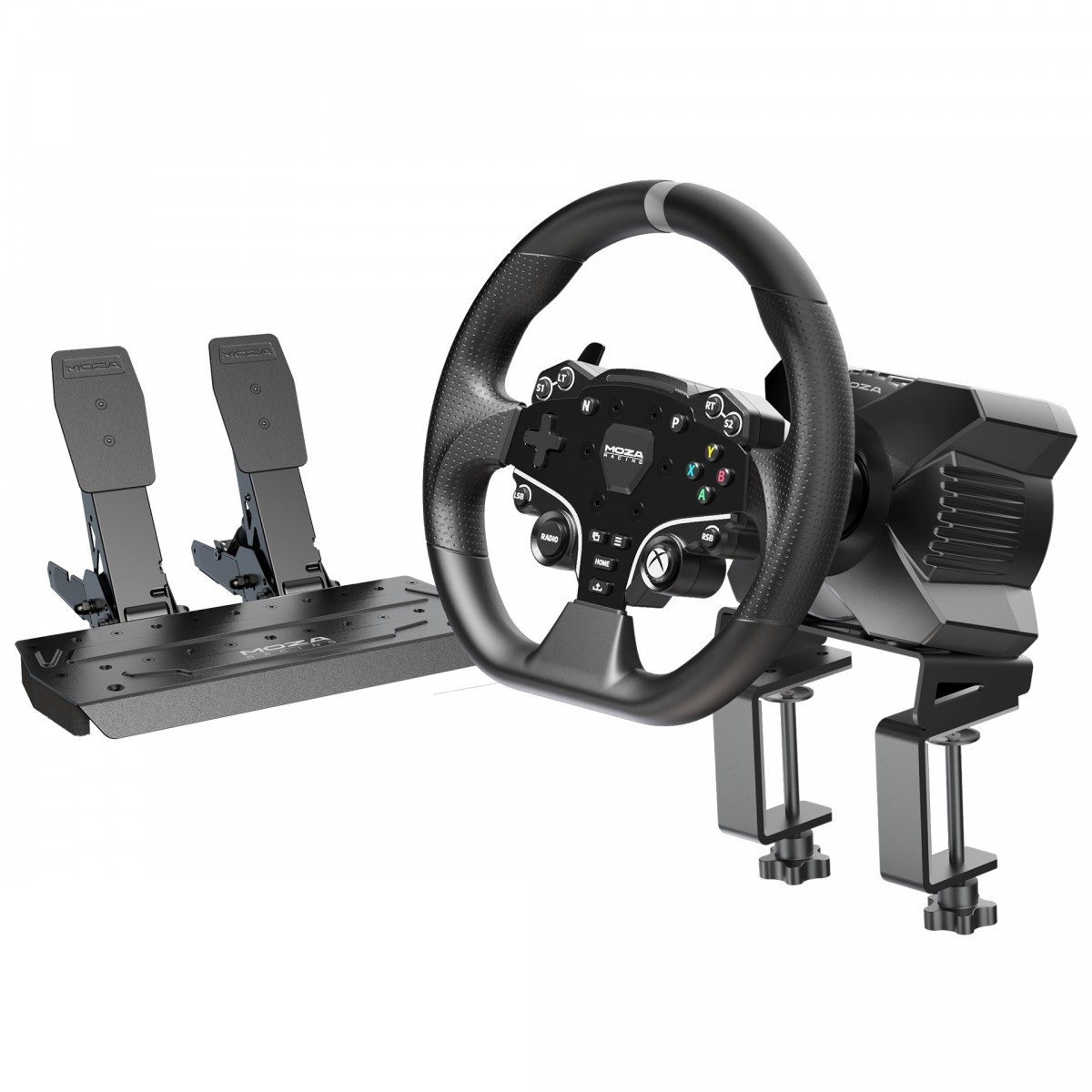
    The Moza R3 Bundle is a game-changer in the entry-level sim racing market, delivering an impressive combination of performance, quality, and affordability. Designed with beginners and intermediate racers in mind, this bundle offers a premium experience that rivals more expensive setups while remaining accessible to a wider audience. 

    One of the standout features of the Moza R3 Bundle is its direct drive wheelbase. Unlike traditional gear or belt-driven systems, Moza’s direct drive technology ensures precise force feedback, allowing users to feel every turn, bump, and braking force with incredible realism. The R3’s 3.9 Nm of torque may be on the lower end compared to high-end models, but it delivers smooth and detailed force feedback that enhances immersion and driving precision. 

    The steering wheel included in the bundle is ergonomically designed with high-quality materials, ensuring comfort during long racing sessions. With a responsive button layout and paddle shifters, the wheel offers a professional feel while maintaining ease of use for newcomers to sim racing. The durability and solid construction make it a reliable choice for those looking to upgrade from basic setups. 

    The bundle also includes Moza’s SR-P Lite pedals, which provide a stable and realistic braking experience. The non-contact hall sensors ensure precise input readings, reducing wear and tear over time. While they may not match the adjustability of higher-end load cell pedals, they offer excellent value for money and a significant improvement over standard potentiometer-based pedals. 

    Another strong point of the Moza R3 Bundle is its seamless integration with Moza’s Pit House software. This intuitive platform allows users to fine-tune force feedback settings, pedal sensitivity, and button mappings to create a fully customized driving experience. The software’s user-friendly interface makes it easy for both beginners and experienced racers to optimize their setup. 

    Compatibility is another highlight of the Moza R3. Designed for PC and Xbox users, it opens the door for console racers to experience high-quality direct drive technology, a feature that was previously limited to high-end PC-exclusive setups. This expanded compatibility makes the R3 Bundle a versatile choice for those who want a future-proof investment in their sim racing journey. 

    Pros: 

    • Affordable entry-level direct drive system 
    • High-quality materials and solid construction 
    • Precise force feedback for an immersive racing experience 
    • Seamless integration with Moza Pit House software 
    • Compatible with both PC and Xbox 
    • Easy-to-use button layout and comfortable steering wheel 
    • Cons: 
    • Lower torque (3.9 Nm) compared to higher-end direct drive models 
    • SR-P Lite pedals lack a load cell for advanced braking precision 
    • Limited ecosystem compatibility compared to some competitors 
    • Not compatible with PlayStation consoles 

    In conclusion, the Moza R3 Bundle is an outstanding entry-level sim racing package that punches well above its weight. With direct drive precision, high-quality build materials, and intuitive software integration, it offers an unparalleled racing experience at its price point. Whether you’re a beginner looking to enter the world of sim racing or an intermediate racer seeking an affordable upgrade, the Moza R3 Bundle delivers exceptional performance and value. 

  • The Thrill of Sim Racing: Where Virtual Meets Reality

    The Thrill of Sim Racing: Where Virtual Meets Reality

    The Thrill of Sim Racing: Where Virtual Meets Reality

    Sim racing, or simulated racing, has evolved from a niche hobby into a full-fledged motorsport subculture. It combines the thrill of competitive racing with the precision of modern technology, offering enthusiasts a way to experience high-speed driving without ever leaving their homes. But what exactly is sim racing, and why is it drawing so much attention?

    A New Era in Racing

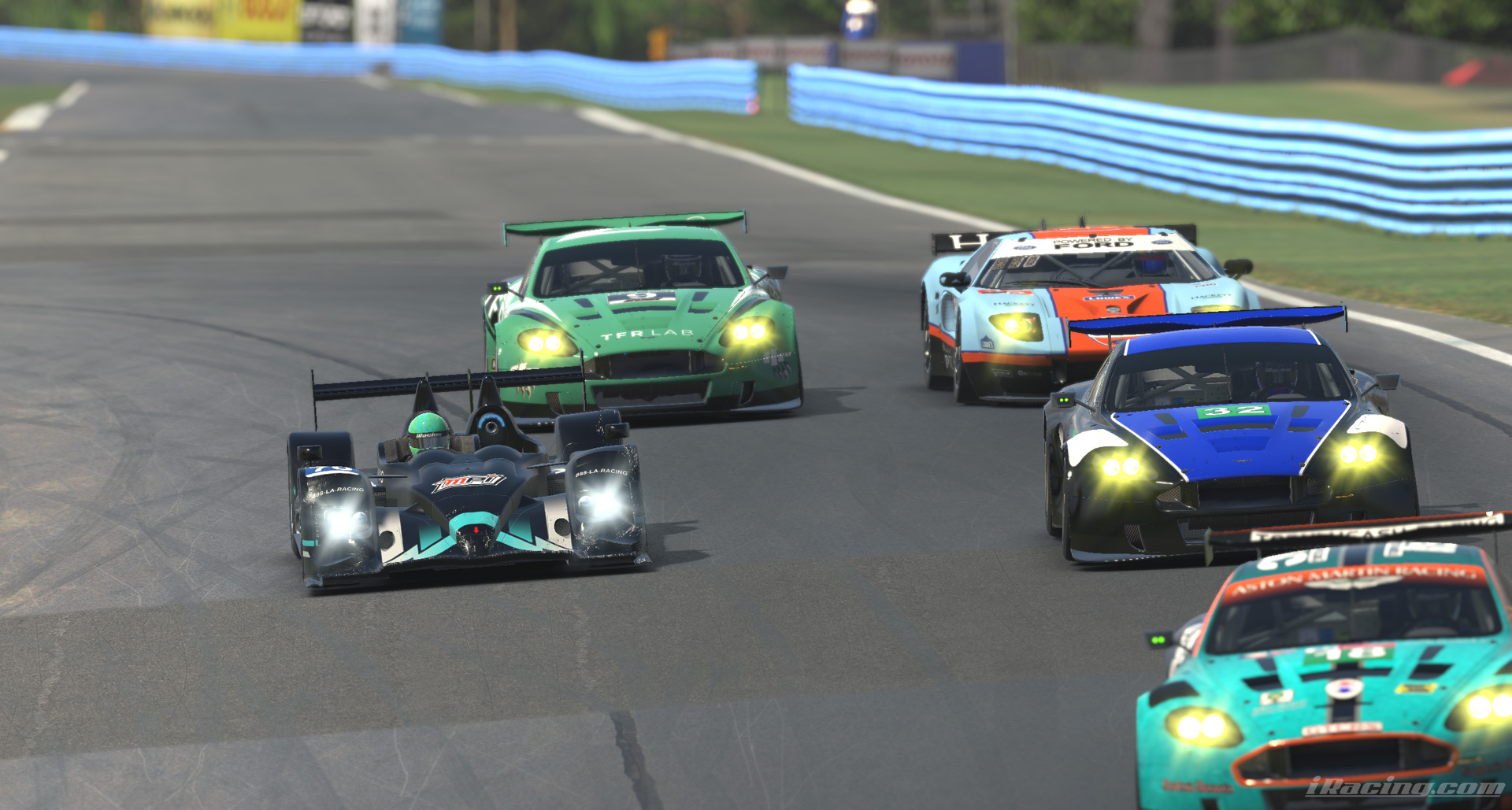
    At its core, sim racing is about realism. Unlike arcade racers, which prioritize fun and accessibility, sim racing focuses on accurately replicating the physics, handling, and atmosphere of real-world motorsport. From tire grip and suspension behavior to the effect of weather conditions, today’s simulators—such as iRacing, Assetto Corsa Competizione, and rFactor 2—deliver near-authentic driving experiences.

    With the rise of powerful gaming PCs and high-fidelity hardware, including force feedback steering wheels, load cell pedals, and even motion rigs, sim racing has become more immersive than ever. Some professional racing teams even use sim racing setups for driver training.

    More Than Just a Game

    What sets sim racing apart is its blend of entertainment and skill development. Unlike many other video games, sim racing demands real-world driving techniques. Braking points, racing lines, throttle control, and even tire management come into play—especially in longer endurance events.

    The competitive side is equally serious. Online championships feature drivers from all over the world, often with professional broadcasting and cash prizes. Esports events backed by Formula 1, GT World Challenge, and other real-world series have only strengthened sim racing’s legitimacy.

    An Inclusive Community

    One of the most appealing aspects of sim racing is its accessibility. While real-world motorsports are notoriously expensive, sim racing lowers the barrier to entry. For a few hundred dollars, anyone can get started with a wheel, pedals, and a solid racing title. From there, the journey can be as casual or serious as one chooses.

    Online forums, streaming platforms, and communities on Discord or Reddit make it easy for newcomers to learn, get advice, and connect with others who share their passion.

    Challenges of the Hobby

    Despite its many strengths, sim racing isn’t without its downsides. The initial learning curve can be steep, especially for those unfamiliar with racing dynamics. Quality hardware, while cheaper than real racing, still represents a significant investment. Moreover, not all games and systems offer consistent realism, and some setups may require constant tweaking to achieve the right feel.

    Additionally, the simulation cannot fully replicate physical sensations like g-forces, seat pressure, or the unpredictability of real-life conditions—though motion rigs and haptic feedback solutions are helping close that gap.

    Conclusion

    Sim racing stands at the intersection of gaming, sport, and technology. It offers a thrilling, educational, and relatively affordable way to engage with motorsports, whether as a hobby or a serious pursuit. With continuous advancements in software and hardware, sim racing’s future looks as fast-paced as the virtual cars that define it.

  • Sim Racing Wheels: The Heart of Virtual Driving

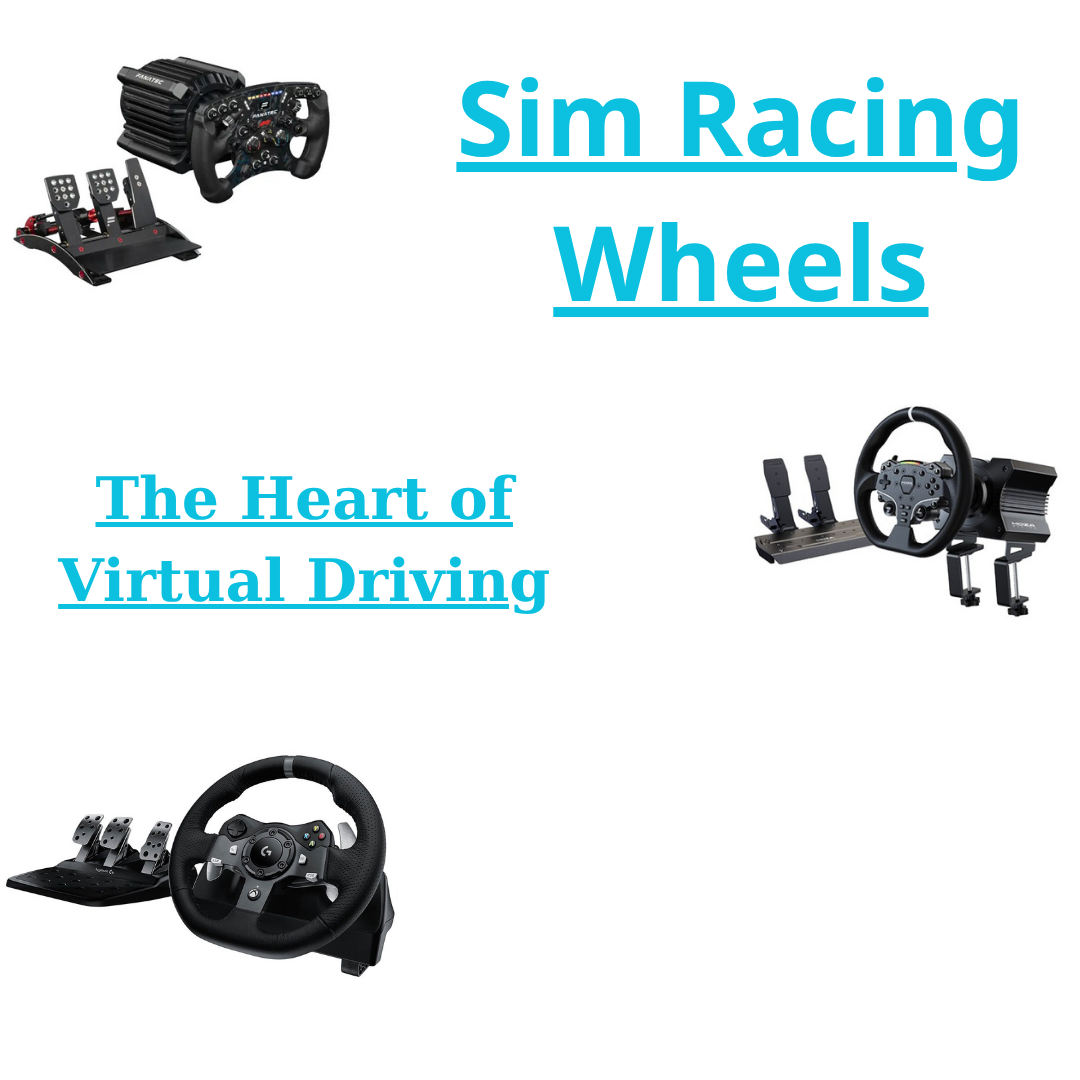
    Sim Racing Wheels: The Heart of Virtual Driving

    In the world of sim racing, precision and immersion are everything. Whether you’re chasing lap times in a high-level simulator or casually racing through scenic landscapes in a driving game, one piece of hardware makes all the difference: the sim racing wheel. Far more than just a fancy controller, a quality racing wheel transforms a game into an authentic driving experience—blurring the line between virtual and reality.

    What Is a Sim Racing Wheel?

    A sim racing wheel is a hardware peripheral designed to replicate the feel and function of a real steering wheel. Unlike a typical game controller, racing wheels offer force feedback, rotation range, paddle shifters, and customizable settings to mimic real driving dynamics. Paired with pedals—and sometimes a gear shifter or handbrake—they form the foundation of any serious sim racing setup.

    Some wheels are modeled after real-life racing wheels used in Formula 1, GT racing, or rally cars. They can range from affordable entry-level devices to high-end direct drive systems that offer near-perfect realism and feedback.

    Why Racing Wheels Matter

    1. Realism and Immersion

    A racing wheel enhances realism like no other accessory. The tactile feel of the wheel, combined with resistance and feedback from the virtual road surface, gives drivers a better sense of control. You don’t just see the car respond—you feel it. This sensory feedback is what makes sim racing so compelling for fans of motorsport.

    2. Precision and Control

    Analog sticks on controllers offer limited range and sensitivity. In contrast, racing wheels provide fine-grain input, allowing players to brake, steer, and accelerate with much greater accuracy. This level of control becomes critical in competitive scenarios, where fractions of a second make all the difference.

    3. Training for Real-World Driving

    Believe it or not, many professional drivers use sim racing wheels to train. From Formula 1 to rally driving, simulations with high-end hardware help drivers practice lines, reactions, and vehicle behavior on different tracks. For newcomers, sim racing can even teach the basics of vehicle dynamics and racecraft in a safe and cost-effective way.

    4. Competitive Edge

    In online racing or esports competitions, having a wheel isn’t just a luxury—it’s a necessity. Most competitive players use setups with force feedback wheels and pedals to maximize their performance. The responsiveness and consistency offered by a proper racing wheel can give you a serious edge on the virtual track.

    Types of Racing Wheels

    • Entry-Level (Gear/Beltdriven): Great for beginners. Examples include the Logitech G29/G920 and Thrustmaster T150.
    • Mid-Range (Stronger Feedback): Offers better force feedback and build quality. Examples include the Thrustmaster T300RS and Fanatec CSL DD.
    • High-End (Direct Drive): Provides unmatched realism with powerful, smooth force feedback. These wheels (e.g., Simucube 2, Moza R9, Fanatec DD1) are used by pros and hardcore enthusiasts.

    Each level has its trade-offs between cost, complexity, and realism—but all improve the driving experience over standard controllers.

    Conclusion

    Sim racing wheels are more than just accessories—they’re a bridge between the virtual and the physical world of motorsport. Whether you’re chasing podiums in iRacing, exploring open roads in Forza Horizon, or just enjoying a weekend race with friends, a good racing wheel makes the experience richer, more immersive, and ultimately more satisfying.

    For those who take racing seriously—whether for competition, training, or pure passion—a wheel isn’t optional. It’s essential.

  • Racing Games: Where Speed Meets Skill in the Virtual World

    Racing Games: Where Speed Meets Skill in the Virtual World

    Racing games have long held a unique place in the world of interactive entertainment. They’re fast, competitive, and often visually stunning—but they also serve as a digital gateway to the thrill of motorsport. Whether you’re drifting around a neon-lit corner in an arcade game or managing tire wear in a hyper-realistic simulator, racing games offer something for every kind of player.

    A Brief History of Virtual Racing

    The roots of racing games stretch back to the early days of video gaming. Titles like Pole Position (1982) and Out Run (1986) brought the excitement of high-speed driving to arcades, sparking a genre that has only accelerated with time.

    As technology evolved, so did the genre. The introduction of 3D graphics in the 1990s allowed for more realistic car handling and track design. Franchises like Gran Turismo, Need for Speed, and Forza Motorsport helped define the modern racing game—each with its own blend of realism, style, and accessibility.

    Arcade vs. Simulation: Two Worlds of Racing

    Racing games generally fall into two main categories: arcade and simulation.

    • Arcade racers focus on fun, speed, and over-the-top action. Games like Mario Kart, Burnout, and Need for Speed prioritize accessibility, with simplified controls and exaggerated physics. They’re perfect for casual players or anyone looking for fast-paced excitement without a steep learning curve.
    • Sim racers, on the other hand, aim to replicate the real-world physics of driving. Titles like iRacing, Assetto Corsa, and rFactor 2 are used not only by enthusiasts, but also by professional drivers for practice and training. These games require precision, patience, and often a decent hardware setup, including a wheel and pedal system.

    The Rise of Online Competition

    Online multiplayer has transformed racing games into a global competition. Whether you’re battling friends in a private lobby or climbing leaderboards in international esports events, the online component adds adrenaline and unpredictability.

    Games like F1 24, Gran Turismo 7, and Forza Horizon 5 offer regular updates, seasonal events, and ranked modes to keep players engaged. Meanwhile, sim racing platforms like iRacing host professional-level leagues with strict rules and real-world consequences for poor driving behavior.

    Accessibility and Hardware

    One of the great things about racing games is their scalability. You can enjoy them with just a basic console controller, or go full immersion with a racing rig that includes a force-feedback wheel, pedals, and even a motion seat.

    This range makes the genre appealing to a wide audience. Beginners can jump in with minimal equipment, while hardcore players can invest in professional-grade setups for a more authentic feel.

    Cultural Impact and Popularity

    Racing games have influenced everything from music and fashion to car culture itself. Soundtracks from titles like Need for Speed Underground helped define early 2000s street racing vibes, while games like Gran Turismo introduced generations of players to real-world automotive brands and motorsport history.

    They’ve also played a role in education and training. Some young drivers have transitioned from sim racing to real racing, proving that virtual driving can be more than just a game—it can be a stepping stone to a racing career.

    Conclusion

    Racing games continue to evolve, blending realism with entertainment and offering something for every kind of gamer. Whether you’re chasing lap times in a serious sim or just enjoying a chaotic race with friends, the genre captures the universal appeal of speed and competition. In a world where technology keeps pushing boundaries, racing games remain in the fast lane—leading, innovating, and thrilling players worldwide.