Gran Turismo 7 marks a significant milestone for the long-running racing franchise. After years of experimentation and refinement, Polyphony Digital has delivered a title that blends nostalgia with modern racing simulation. It’s not just another game in the series — it’s a tribute to automotive history, driving passion, and the pursuit of perfection on four wheels.
Presentation and Atmosphere
From the moment you launch Gran Turismo 7, the presentation is unmistakably premium. The menus are clean and elegant, the background music is thoughtfully curated, and the tone is calm yet serious — exactly what fans of the series expect. There’s a quiet confidence in how the game introduces you to its systems: through stories of car designers, manufacturers, and cultural icons.
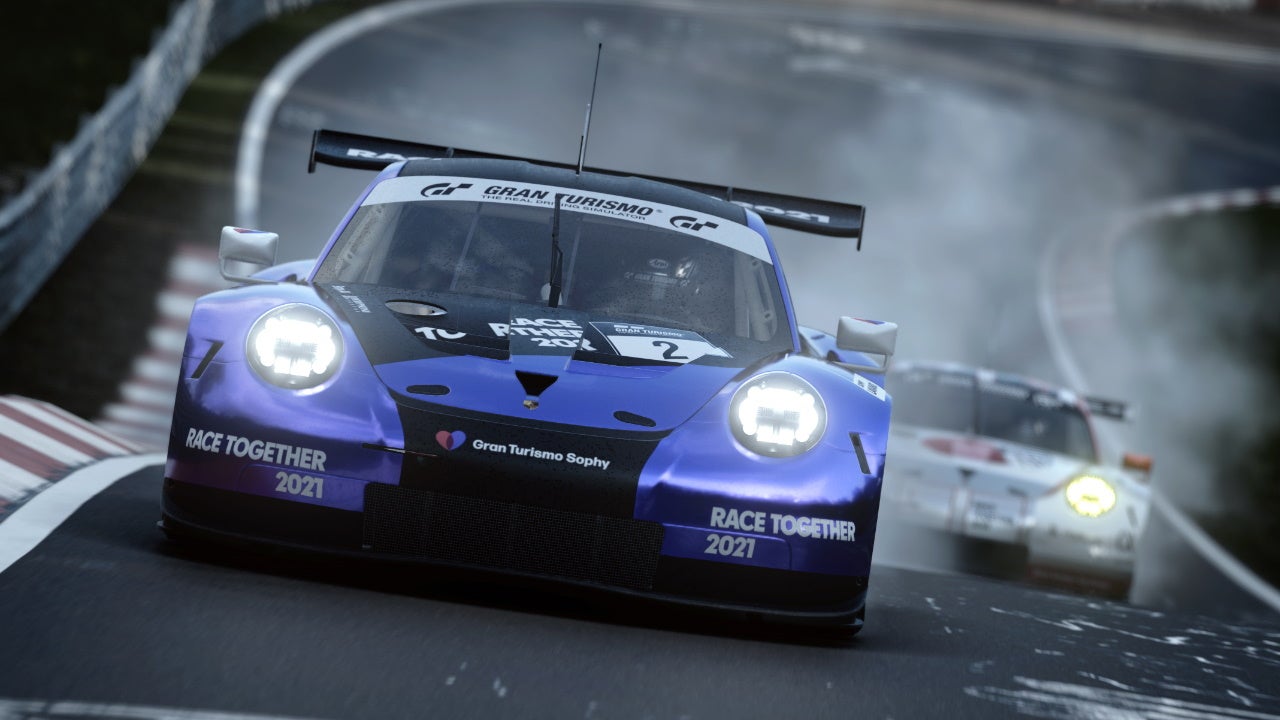
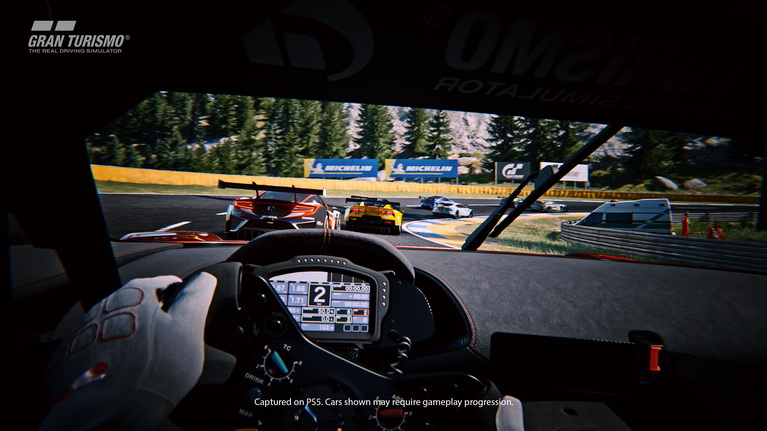
Visually, the game shines on PlayStation 5. Whether it’s the fine detail of car interiors, the texture of asphalt, or the transitions from sun to rain, every element is crafted with care. Ray tracing in replays enhances the cinematic feel, although it’s disabled during actual races to preserve performance. The weather system and lighting transitions are not just for show — they influence grip, visibility, and strategy.
Driving and Physics
The heart of any racing simulator lies in how it feels behind the wheel. Gran Turismo 7 delivers a refined, rewarding driving model. Every car handles differently, from nimble hatchbacks to high-powered supercars. The force feedback, especially with a racing wheel, gives meaningful cues about grip loss, weight transfer, and terrain changes.
For newcomers, the game is accessible. Driving assists help ease the learning curve. For veterans, turning those off reveals the deeper simulation elements — throttle control, braking zones, tire wear, and subtle handling quirks. Gran Turismo doesn’t try to be brutally realistic like iRacing or Assetto Corsa; instead, it strikes a balance between approachability and depth.
Content and Progression
One of the major returns in GT7 is the GT Café — a structured campaign that walks you through car history, racing classes, and manufacturer legacies. It’s more than just a tutorial. Through short challenges and car collections, you learn how different vehicles evolved and how they fit into the world of motorsports.
There are over 400 cars and 90+ track layouts, covering real-world circuits, fictional GT originals, and varying weather/time conditions. Whether you’re into JDM classics, European GT cars, or American muscle, there’s something for everyone.
However, progression can sometimes feel slow. Credits are earned through races, but some higher-end cars come with steep price tags. This has led to criticism over the grind and microtransaction options, although the developers have since adjusted reward systems in patches.
Multiplayer and Online Features
Sport Mode returns from Gran Turismo Sport, offering scheduled daily races, online leaderboards, and FIA-licensed events. The competitive scene is structured and clean, with penalties for ramming or track cutting. Matchmaking is solid, and races feel fair, though aggressive drivers still sneak through occasionally.
Online lobbies allow for custom events, car meets, and photo mode showcases. It’s a social space as much as a competitive one, letting players show off liveries and custom builds.
A key drawback is the always-online requirement. Even single-player progress is locked behind a connection. While this ensures data integrity and cheating prevention, it limits the game’s offline potential.
Strengths
- Stunning Visual Fidelity: Car models, environments, and replays are among the best in the genre.
- Deep Driving Model: Rewarding physics with a high skill ceiling.
- Rich Car Culture: Educational, respectful approach to automotive history.
- Smooth Online Racing: Fair and structured multiplayer for serious competitors.
- Variety of Modes: From drifting to endurance racing and photo shoots.
Weaknesses
- Slow Progression: In-game economy can feel punishing without grinding.
- Always-Online DRM: Single-player content should be available offline.
- Some Outdated UI Elements: Menus feel classic, but slightly aged in design.
- Limited Damage Modeling: Crashes look soft compared to other sims.
Verdict: 8.5/10
Gran Turismo 7 is a heartfelt tribute to car culture, built with precision and care. It respects the past while embracing the present. For sim racing enthusiasts, it may lack the hardcore realism of some competitors, but its polish, variety, and presentation make it one of the most complete and enjoyable racing experiences on console.
Whether you’re chasing lap times, building your dream garage, or just cruising in Scapes mode, GT7 invites you to appreciate the beauty of driving — one car at a time.