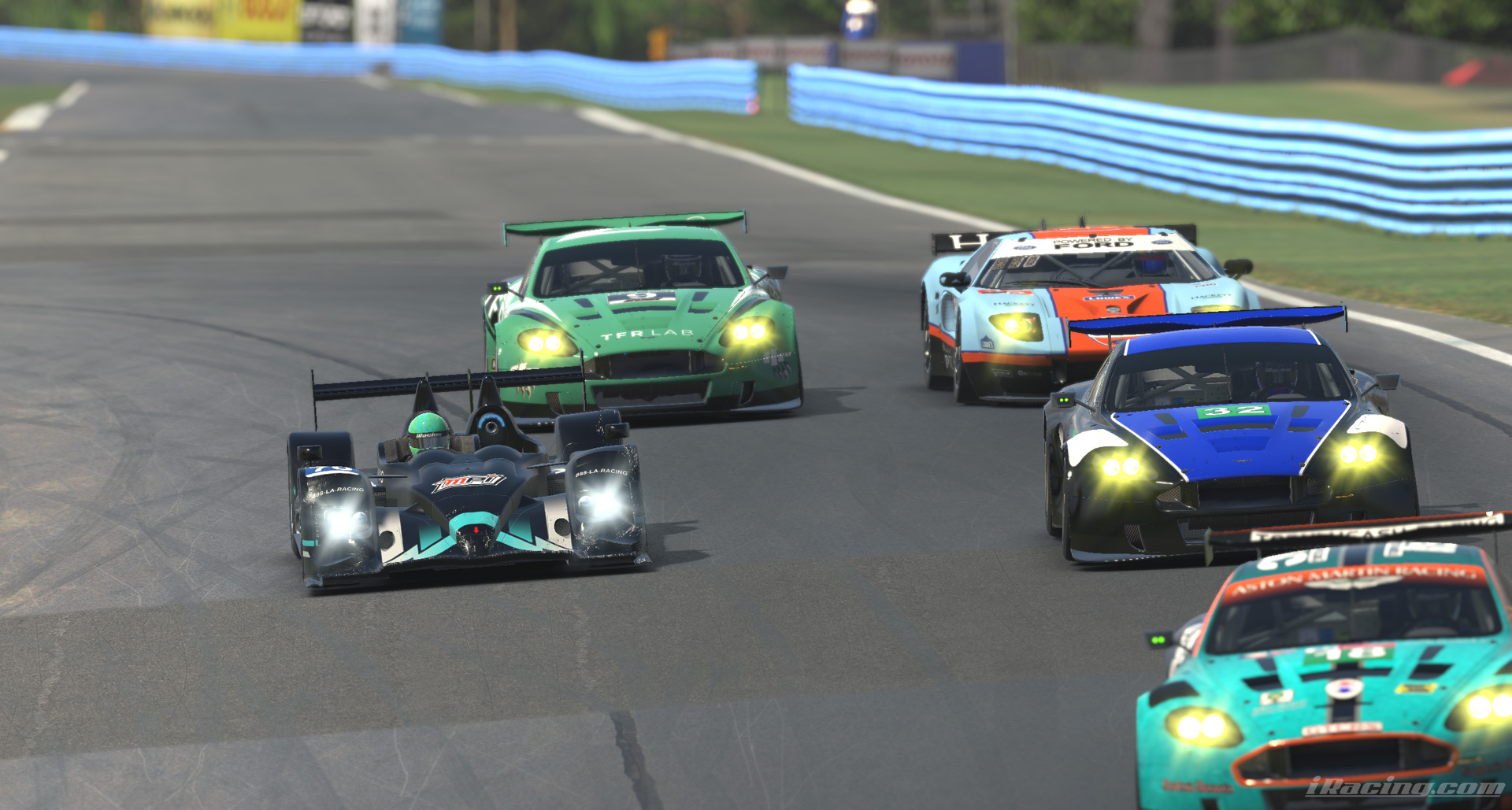
“Capturing the spirit of speed — from real tracks to virtual laps.”

Tag: sim racing

  • The Thrill of Sim Racing: Where Virtual Meets Reality

    The Thrill of Sim Racing: Where Virtual Meets Reality

    The Thrill of Sim Racing: Where Virtual Meets Reality

    Sim racing, or simulated racing, has evolved from a niche hobby into a full-fledged motorsport subculture. It combines the thrill of competitive racing with the precision of modern technology, offering enthusiasts a way to experience high-speed driving without ever leaving their homes. But what exactly is sim racing, and why is it drawing so much attention?

    A New Era in Racing

    At its core, sim racing is about realism. Unlike arcade racers, which prioritize fun and accessibility, sim racing focuses on accurately replicating the physics, handling, and atmosphere of real-world motorsport. From tire grip and suspension behavior to the effect of weather conditions, today’s simulators—such as iRacing, Assetto Corsa Competizione, and rFactor 2—deliver near-authentic driving experiences.

    With the rise of powerful gaming PCs and high-fidelity hardware, including force feedback steering wheels, load cell pedals, and even motion rigs, sim racing has become more immersive than ever. Some professional racing teams even use sim racing setups for driver training.

    More Than Just a Game

    What sets sim racing apart is its blend of entertainment and skill development. Unlike many other video games, sim racing demands real-world driving techniques. Braking points, racing lines, throttle control, and even tire management come into play—especially in longer endurance events.

    The competitive side is equally serious. Online championships feature drivers from all over the world, often with professional broadcasting and cash prizes. Esports events backed by Formula 1, GT World Challenge, and other real-world series have only strengthened sim racing’s legitimacy.

    An Inclusive Community

    One of the most appealing aspects of sim racing is its accessibility. While real-world motorsports are notoriously expensive, sim racing lowers the barrier to entry. For a few hundred dollars, anyone can get started with a wheel, pedals, and a solid racing title. From there, the journey can be as casual or serious as one chooses.

    Online forums, streaming platforms, and communities on Discord or Reddit make it easy for newcomers to learn, get advice, and connect with others who share their passion.

    Challenges of the Hobby

    Despite its many strengths, sim racing isn’t without its downsides. The initial learning curve can be steep, especially for those unfamiliar with racing dynamics. Quality hardware, while cheaper than real racing, still represents a significant investment. Moreover, not all games and systems offer consistent realism, and some setups may require constant tweaking to achieve the right feel.

    Additionally, the simulation cannot fully replicate physical sensations like g-forces, seat pressure, or the unpredictability of real-life conditions—though motion rigs and haptic feedback solutions are helping close that gap.

    Conclusion

    Sim racing stands at the intersection of gaming, sport, and technology. It offers a thrilling, educational, and relatively affordable way to engage with motorsports, whether as a hobby or a serious pursuit. With continuous advancements in software and hardware, sim racing’s future looks as fast-paced as the virtual cars that define it.
  • Sim Racing Wheels: The Heart of Virtual Driving

    Sim Racing Wheels: The Heart of Virtual Driving

    In the world of sim racing, precision and immersion are everything. Whether you’re chasing lap times in a high-level simulator or casually racing through scenic landscapes in a driving game, one piece of hardware makes all the difference: the sim racing wheel. Far more than just a fancy controller, a quality racing wheel transforms a game into an authentic driving experience—blurring the line between virtual and reality.

    What Is a Sim Racing Wheel?

    A sim racing wheel is a hardware peripheral designed to replicate the feel and function of a real steering wheel. Unlike a typical game controller, racing wheels offer force feedback, rotation range, paddle shifters, and customizable settings to mimic real driving dynamics. Paired with pedals—and sometimes a gear shifter or handbrake—they form the foundation of any serious sim racing setup.

    Some wheels are modeled after real-life racing wheels used in Formula 1, GT racing, or rally cars. They can range from affordable entry-level devices to high-end direct drive systems that offer near-perfect realism and feedback.

    Why Racing Wheels Matter

    1. Realism and Immersion

    A racing wheel enhances realism like no other accessory. The tactile feel of the wheel, combined with resistance and feedback from the virtual road surface, gives drivers a better sense of control. You don’t just see the car respond—you feel it. This sensory feedback is what makes sim racing so compelling for fans of motorsport.

    2. Precision and Control

    Analog sticks on controllers offer limited range and sensitivity. In contrast, racing wheels provide fine-grain input, allowing players to brake, steer, and accelerate with much greater accuracy. This level of control becomes critical in competitive scenarios, where fractions of a second make all the difference.

    3. Training for Real-World Driving

    Believe it or not, many professional drivers use sim racing wheels to train. From Formula 1 to rally driving, simulations with high-end hardware help drivers practice lines, reactions, and vehicle behavior on different tracks. For newcomers, sim racing can even teach the basics of vehicle dynamics and racecraft in a safe and cost-effective way.

    4. Competitive Edge

    In online racing or esports competitions, having a wheel isn’t just a luxury—it’s a necessity. Most competitive players use setups with force feedback wheels and pedals to maximize their performance. The responsiveness and consistency offered by a proper racing wheel can give you a serious edge on the virtual track.

    Types of Racing Wheels

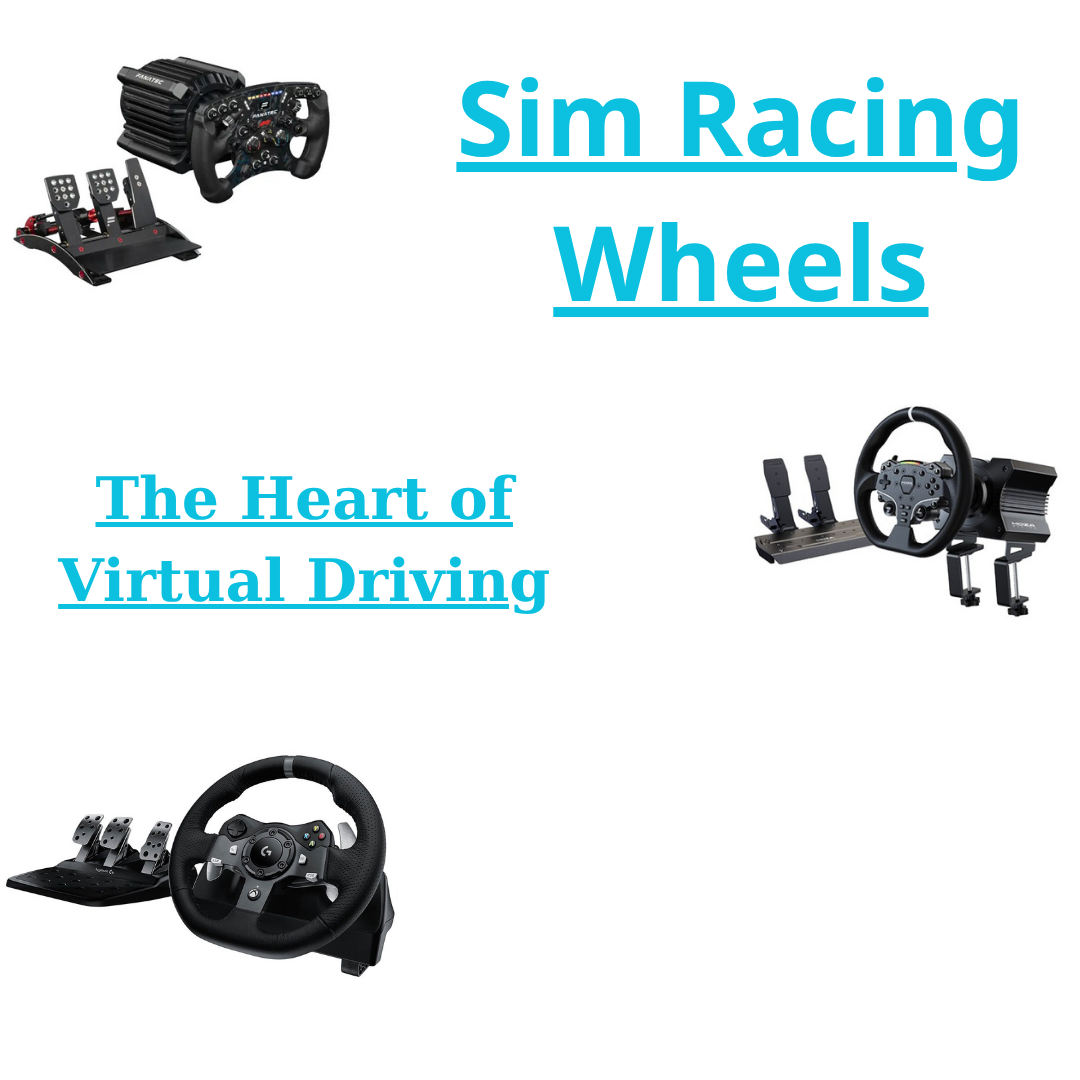
    • Entry-Level (Gear/Beltdriven): Great for beginners. Examples include the Logitech G29/G920 and Thrustmaster T150.
    • Mid-Range (Stronger Feedback): Offers better force feedback and build quality. Examples include the Thrustmaster T300RS and Fanatec CSL DD.
    • High-End (Direct Drive): Provides unmatched realism with powerful, smooth force feedback. These wheels (e.g., Simucube 2, Moza R9, Fanatec DD1) are used by pros and hardcore enthusiasts.

    Each level has its trade-offs between cost, complexity, and realism—but all improve the driving experience over standard controllers.

    Conclusion

    Sim racing wheels are more than just accessories—they’re a bridge between the virtual and the physical world of motorsport. Whether you’re chasing podiums in iRacing, exploring open roads in Forza Horizon, or just enjoying a weekend race with friends, a good racing wheel makes the experience richer, more immersive, and ultimately more satisfying.

    For those who take racing seriously—whether for competition, training, or pure passion—a wheel isn’t optional. It’s essential.